
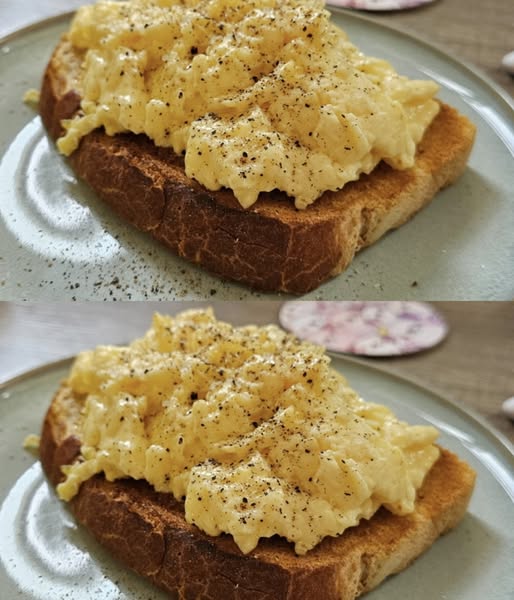
How to Make Perfect Scrambled Eggs Every Time: Fluffy, Creamy, and Foolproof
Scrambled eggs may seem simple, but mastering the perfect scramble is a culinary skill that separates the good from the great. Whether you like them soft and silky or light and fluffy, there’s an art to getting them just right. With a few key techniques and the right ingredients, you can transform humble eggs into a breakfast favorite that’s rich, creamy, and consistently delicious.
Let’s crack the code on making perfect scrambled eggs—every single time.
Why Scrambled Eggs Deserve Your Attention
Eggs are quick, nutritious, and incredibly versatile. Scrambled eggs, in particular, are a comforting classic—but they’re often rushed or overcooked, resulting in dry, rubbery clumps instead of soft, custardy curds.
Done right, scrambled eggs are light, luscious, and full of flavor. Whether you’re making breakfast for one or a brunch for a crowd, knowing how to cook them perfectly is a game-changer.
Ingredients You’ll Need
Fresh eggs (2–3 per person)
Butter (or olive oil for a dairy-free option)
Salt
Pepper
Milk or cream (optional, for a richer texture)
Optional add-ins:
Chopped herbs (chives, parsley, dill)
Cheese (cheddar, feta, goat cheese)
Cooked vegetables or meats (spinach, mushrooms, ham, bacon)
Step-by-Step: How to Make Perfect Scrambled Eggs
1. Crack and Whisk
Crack the eggs into a bowl and whisk them thoroughly. You want the yolks and whites to be fully combined, slightly frothy, and a uniform golden color. Add a pinch of salt now to help break down the egg proteins for a more tender texture.
Pro tip: Whisking in a tablespoon of milk or cream per egg can make your eggs even softer and creamier—but don’t overdo it, or they’ll turn watery.
2. Heat the Pan Gently
Use a nonstick skillet or a well-seasoned cast-iron pan. Heat it over medium-low heat and add a pat of butter, allowing it to melt gently without browning. Low and slow is key to tender eggs.
3. Pour and Stir
Pour in the eggs and let them sit undisturbed for a few seconds. Then, using a silicone spatula, gently stir in slow, sweeping motions from the edges toward the center. Continue to move the eggs as they begin to set, but don’t over-stir—they should form soft, large curds.
4. Pull from Heat Early
Remove the pan from the heat when the eggs are still slightly glossy and just barely underdone. Residual heat will finish cooking them. This is the secret to preventing dry or overcooked eggs.
5. Season and Serve
Season with a pinch of salt and pepper (if you haven’t already), and serve immediately. Add herbs, cheese, or other toppings if desired.
For Complete Cooking STEPS Please Head On Over To Next Page Or Open button (>) and don’t forget to SHARE with your Facebook friends
ADVERTISEMENT
