
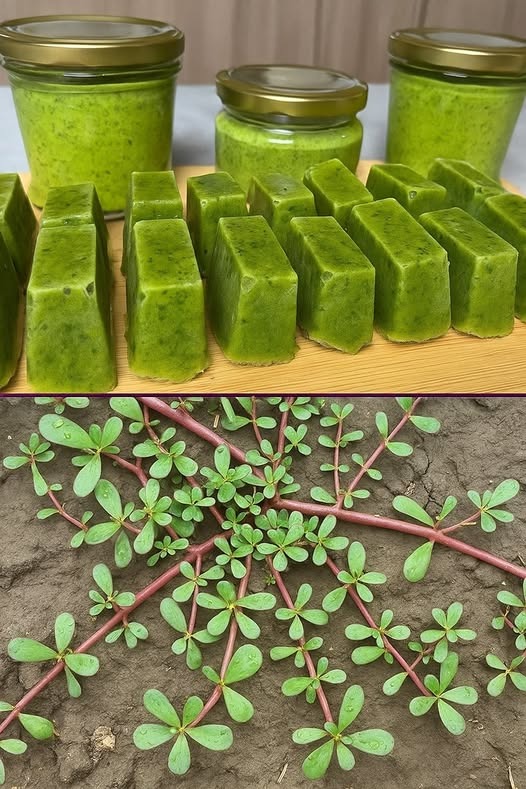
Purslane: A Nutrient-Rich Plant with Numerous Benefits
Often mistaken for a simple weed, purslane (Portulaca oleracea) is one of nature’s most underrated superfoods. Found growing wild in gardens, sidewalks, and fields, this succulent plant has been a staple in traditional cuisines around the world—and it’s finally getting the attention it deserves for its impressive nutritional profile and health benefits.
If you’re looking to add more nutrient-dense, natural foods to your diet, purslane is a smart (and surprisingly delicious) place to start.
What Is Purslane?
Purslane is a leafy green with fleshy, slightly sour-tasting leaves and small yellow flowers. It grows low to the ground and thrives in hot, dry climates, making it common in many parts of the world. While many gardeners pull it out as a weed, chefs and health-conscious foodies are welcoming it back into kitchens for good reason.
Nutritional Powerhouse
Pound for pound, purslane contains more nutrients than most cultivated greens. Here’s what makes it stand out:
🧪 Omega-3 Fatty Acids – It’s one of the few leafy greens that’s rich in ALA (alpha-linolenic acid), a plant-based omega-3 known to support heart and brain health.
🥬 Vitamins – High in vitamins A, C, and E, which support immune function, skin health, and antioxidant protection.
⚙️ Minerals – A good source of magnesium, potassium, calcium, and iron—essential for everything from bone health to muscle function.
🌱 Antioxidants – Contains glutathione, melatonin, and betalain alkaloids, which help reduce inflammation and combat oxidative stress.
Health Benefits of Purslane
Adding purslane to your diet can offer a range of potential health benefits:
🫀 1. Heart Health
The omega-3 content helps reduce bad cholesterol, lower blood pressure, and may decrease the risk of cardiovascular disease.
🧠 2. Brain & Mood Support
Omega-3s and antioxidants are also linked to improved cognitive function and a reduced risk of depression and age-related memory decline.
💪 3. Anti-Inflammatory Effects
Purslane’s antioxidants help reduce inflammation in the body, making it beneficial for chronic conditions like arthritis and autoimmune disorders.
🦴 4. Bone Health
Magnesium, calcium, and vitamin K contribute to stronger bones and may help prevent osteoporosis.
🌿 5. Blood Sugar Regulation
Some studies suggest purslane may help regulate blood glucose levels, making it potentially useful for people with type 2 diabetes.
How to Use Purslane in the Kitchen
Purslane has a slightly lemony, peppery flavor and a crunchy texture, making it a versatile addition to many dishes:
Toss fresh purslane leaves into salads or wraps
Sauté with garlic and olive oil for a simple side dish
For Complete Cooking STEPS Please Head On Over To Next Page Or Open button (>) and don’t forget to SHARE with your Facebook friends
ADVERTISEMENT
