
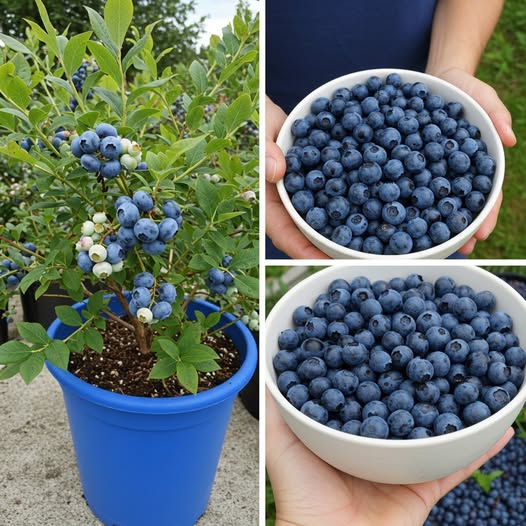
How to Grow Blueberries at Home So You Have Endless Plenty and Never Buy Them Again
Blueberries are not only delicious and nutritious but also surprisingly easy to grow at home with the right know-how. Imagine stepping outside your door and picking fresh, juicy blueberries whenever you want—no more trips to the store or worrying about their availability or cost. Growing your own blueberries can provide you with an endless supply of these antioxidant-rich berries. Here’s a full guide on how to cultivate blueberries successfully in your backyard or even in containers, so you never have to buy them again!
Why Grow Blueberries at Home?
Blueberries are packed with vitamins, antioxidants, and fiber, making them a healthy addition to your diet. Growing them yourself means you get:
Fresher, tastier berries picked at peak ripeness
Control over pesticide use—grow organically if you prefer
Cost savings in the long run
A rewarding gardening experience
Plus, blueberry plants are attractive shrubs that can enhance your garden’s beauty!
Step 1: Choose the Right Blueberry Variety
There are several types of blueberry plants, but the three main categories are:
Highbush blueberries – common in colder climates, grow tall and produce large berries
Lowbush blueberries – more wild, compact, and ideal for ground cover
Rabbiteye blueberries – suited for warmer climates, tolerant of heat
Select a variety suited to your local climate to ensure healthy growth and good fruit production.
Step 2: Pick the Perfect Location
Blueberries thrive in full sun, needing at least 6-8 hours of direct sunlight daily. They prefer:
Well-drained, acidic soil with a pH between 4.5 and 5.5
Soil rich in organic matter
Protection from strong winds
If your soil isn’t naturally acidic, you can amend it with peat moss or elemental sulfur.
Step 3: Prepare the Soil
Test your soil pH before planting. To prepare:
Loosen the soil to a depth of about 12 inches
Mix in organic matter such as compost or pine bark mulch
Adjust soil pH if necessary to reach ideal acidity
Raised beds or containers with ericaceous compost also work well if your garden soil isn’t suitable.
Step 4: Planting Your Blueberries
Plant in early spring or late fall when plants are dormant
Space bushes about 4-5 feet apart for good air circulation
Dig holes twice the size of the root ball
Set plants so the roots are fully covered, and firm the soil gently
Water immediately after planting to help settle the soil.
Step 5: Watering and Mulching
Blueberries have shallow roots and require consistent moisture. Water them deeply once or twice a week, especially during dry spells. Use mulch like pine needles or wood chips around the base to retain moisture, suppress weeds, and maintain soil acidity.
Step 6: Fertilizing
Feed your blueberries with a fertilizer formulated for acid-loving plants, such as those used for azaleas or rhododendrons. Apply fertilizer in early spring and again after harvest according to package instructions.
Step 7: Pruning for Productivity
Prune blueberry bushes annually in late winter to:
Remove dead or weak branches
For Complete Cooking STEPS Please Head On Over To Next Page Or Open button (>) and don’t forget to SHARE with your Facebook friends
ADVERTISEMENT
