
🌿 Stop Trying to Remove That — It’s Not a Weed. Here’s Why You Should Let It Grow
If you’ve ever spent a weekend tugging at plants in your garden, only to wonder later if one of them might’ve been something useful — you’re not alone. Gardeners of all levels have mistakenly yanked up plants they assumed were weeds. But here’s the thing: not everything growing wild in your yard is a nuisance.
In fact, some of the most “weed-like” plants are beneficial, beautiful, or even edible. Before you go pulling up that mystery greenery, here’s why you might want to think twice — and what you could be removing by mistake.
🌱 What You Think Is a Weed Could Be a Friend
Weeds are often defined simply as “plants growing where they’re not wanted.” But nature doesn’t always follow your landscape plans. Some of those so-called “weeds” might actually be:
Native wildflowers that support pollinators
Medicinal herbs used for centuries
Companion plants that protect your vegetables
Soil restorers that improve your garden over time
The key is recognizing the difference.
🔍 5 Common “Weeds” You Should Stop Pulling
1. Milkweed (Asclepias spp.)
Often removed for its tall, leggy appearance, milkweed is essential for monarch butterflies, who lay their eggs exclusively on this plant. No milkweed, no monarchs.
✅ Why keep it? It’s a native wildflower, supports biodiversity, and blooms with beautiful pink clusters.
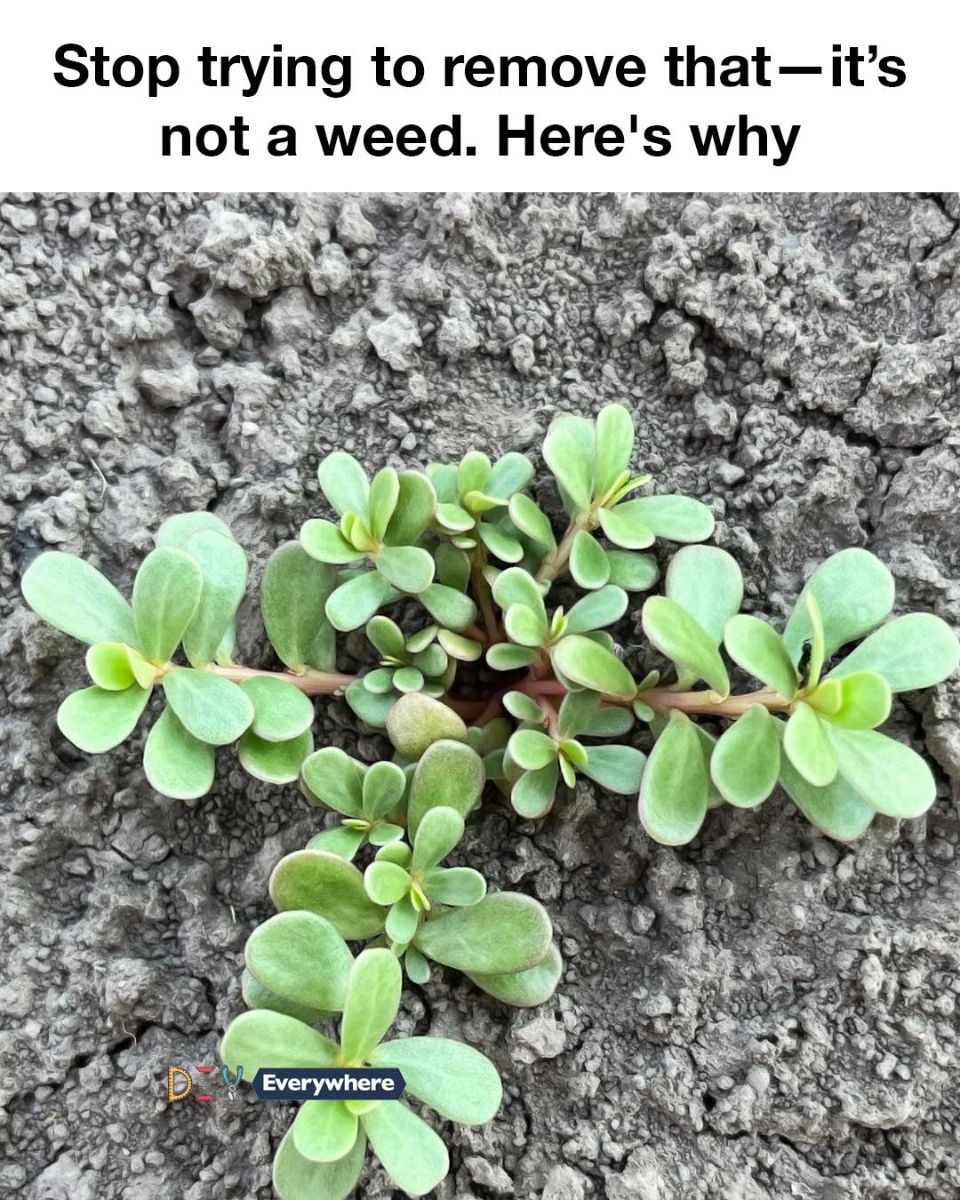
2. Purslane (Portulaca oleracea)
This low-growing succulent is commonly found in garden beds and driveways. Many people pull it, but purslane is edible and packed with omega-3s and antioxidants.
✅ Why keep it? It’s a nutrient-rich green that can be added to salads or smoothies.
3. Clover (Trifolium spp.)
Often targeted by lawn lovers, clover is actually a nitrogen fixer—it enriches the soil naturally and helps your grass stay green without chemicals.
✅ Why keep it? It feeds bees, improves soil health, and can reduce your need for fertilizers.
4. Dandelion (Taraxacum officinale)
While commonly labeled as a weed, every part of the dandelion is useful: leaves for salad, roots for tea, and flowers for wine or salves.
✅ Why keep it? It’s a pollinator favorite and a powerhouse of natural remedies.
5. Self-Heal (Prunella vulgaris)
This creeping plant with purple flowers grows in lawns and is often mowed down. But it’s long been used in herbal medicine for its anti-inflammatory properties.
✅ Why keep it? It attracts bees and has potential medicinal uses.
🧠 Before You Pull, Pause and Identify
Not sure what you’re looking at? Try these steps:
Use a plant identification app (like PlantSnap or iNaturalist)
For Complete Cooking STEPS Please Head On Over To Next Page Or Open button (>) and don’t forget to SHARE with your Facebook friends
ADVERTISEMENT
