
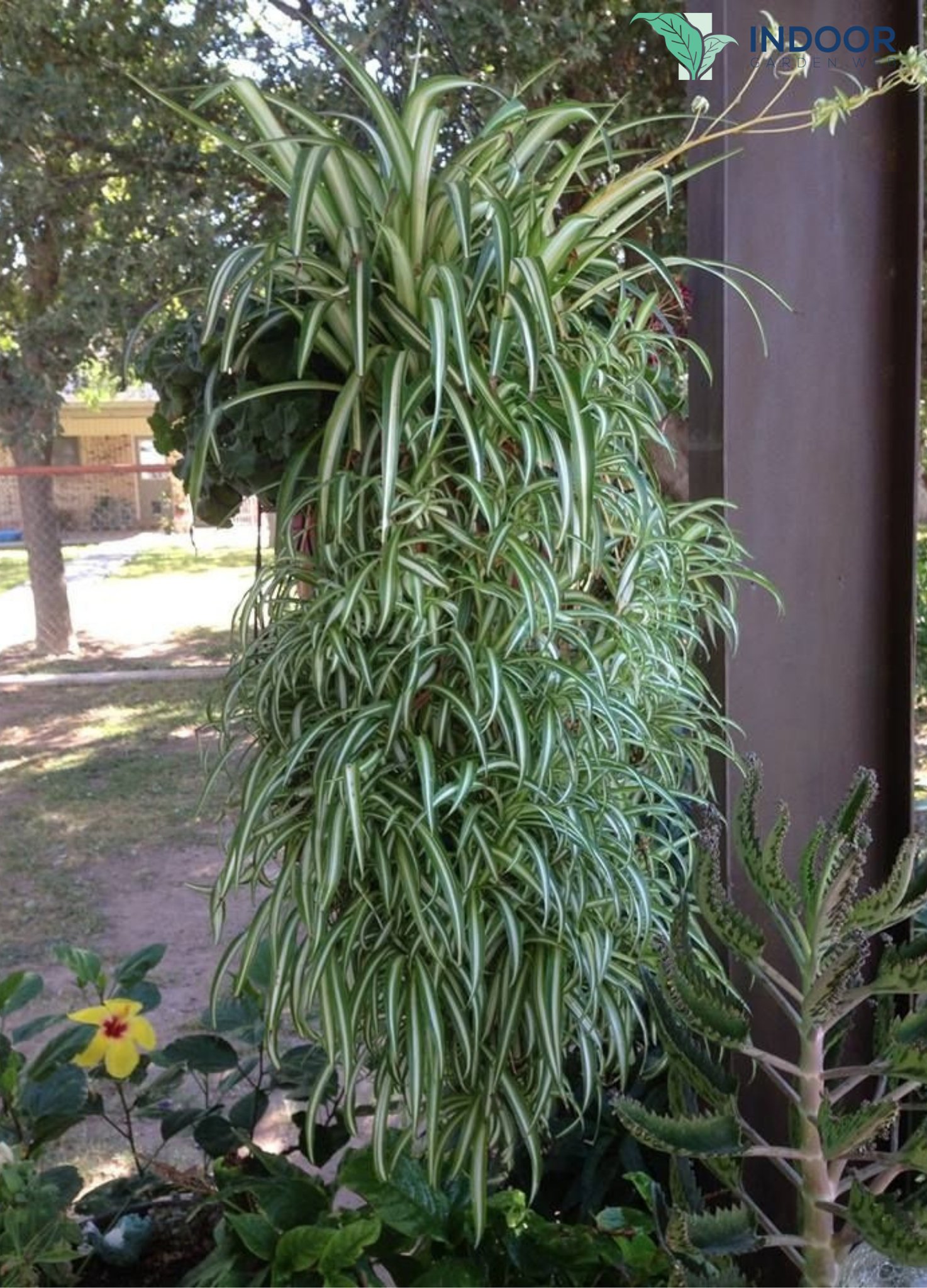
🪴 Top 10 Secrets to Growing the Biggest, Healthiest Spider Plants
Spider plants (Chlorophytum comosum) are one of the easiest and most rewarding houseplants you can grow. With their graceful, arching leaves and baby “spiderettes” cascading like green waterfalls, they brighten up any space. But if you want a spider plant that truly thrives—bigger, bushier, and bursting with life—there are some key secrets to know.
Here are the top 10 expert-backed tips to help you grow the biggest, healthiest spider plants possible.
🌿 1. Bright, Indirect Light Is Key
Spider plants love bright but indirect sunlight. Place them near an east- or west-facing window for optimal growth. Too much direct sun can scorch the leaves, while too little light will stunt growth and fade their signature stripes.
Pro Tip: If your plant looks “leggy,” it’s craving more light!
💧 2. Water Smartly—Not Too Much, Not Too Little
Spider plants like evenly moist soil, but overwatering is the fastest way to kill them. Let the top inch of soil dry out between waterings.
Water less often in winter
Always check the soil before reaching for the watering can
Avoid soggy soil or standing water
🌱 3. Repot Regularly—They Like Room to Grow
Spider plants grow quickly and don’t like cramped roots. Repot every 1–2 years, especially if you see roots circling the pot or popping out of the drainage holes.
Choose a pot that’s just 1–2 inches larger than the current one, and always ensure it has good drainage.
🪴 4. Use the Right Soil Mix
Use a well-draining potting mix, such as one designed for houseplants. You can also mix your own:
2 parts potting soil
1 part perlite or coarse sand
Optional: a small amount of compost for nutrients
This combo keeps the roots aerated and healthy.
🌬️ 5. Give Them Some Fresh Air and Humidity
Spider plants enjoy good air circulation and moderate humidity. They can handle average indoor conditions but love a humidity boost—especially in dry climates or during winter.
Try misting your plant, using a humidity tray, or grouping plants together to raise moisture levels.
🌸 6. Feed During the Growing Season
Spider plants don’t need much fertilizer, but a balanced liquid houseplant fertilizer every 4–6 weeks in spring and summer can help promote lush growth.
Avoid overfeeding—too much fertilizer can burn the roots and cause brown leaf tips.
✂️ 7. Prune for Shape and Health
Regular pruning keeps spider plants tidy and encourages fuller growth. Remove:
Brown or yellowing leaves
Long, leggy runners if you don’t want baby plants
For Complete Cooking STEPS Please Head On Over To Next Page Or Open button (>) and don’t forget to SHARE with your Facebook friends
ADVERTISEMENT
