
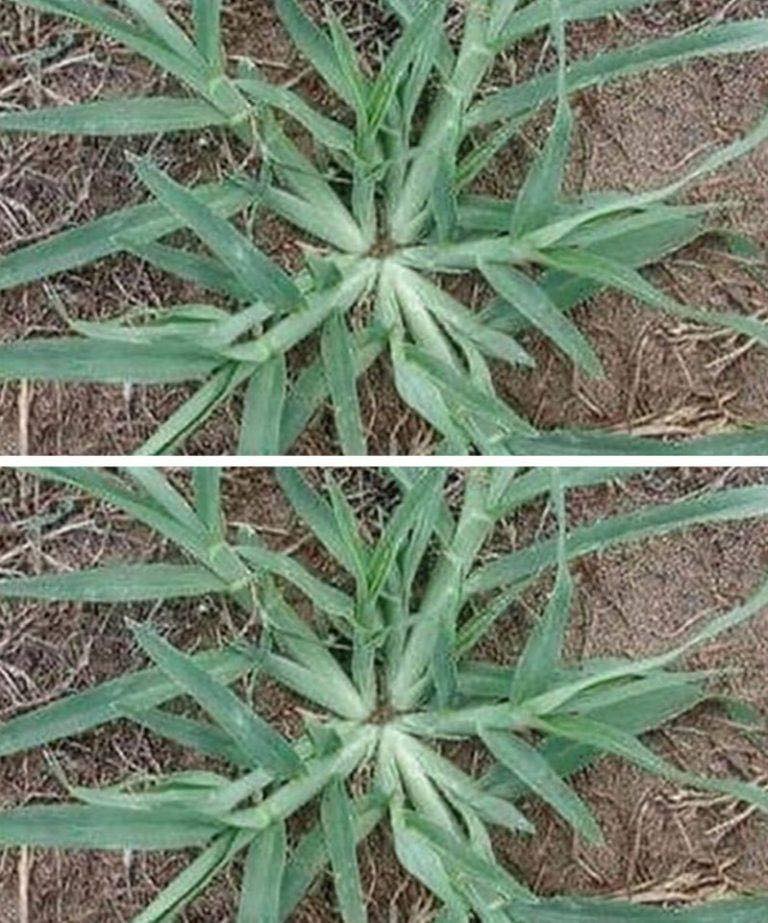
The Garden Guardian: Why You Should Never Uproot Purslane
If you’ve ever spotted a low-growing, succulent-like plant crawling through your garden beds and instinctively yanked it out — stop right there. That unassuming “weed” you just pulled might actually be purslane, and it’s one of the most misunderstood (and underappreciated) plants in the garden.
In fact, once you know what purslane can do for your garden — and your kitchen — you’ll start seeing it not as a weed, but as a garden guardian.
🌿 What Is Purslane?
Purslane (Portulaca oleracea) is a fast-growing, ground-covering plant with thick, fleshy leaves and small yellow flowers. It often sneaks its way into flower beds, vegetable gardens, and even sidewalk cracks.
To the untrained eye, it looks like a nuisance. But here’s the truth: purslane is a nutrient-dense, soil-friendly, pollinator-attracting superplant that you should absolutely keep around.
🌱 Why You Should Never Uproot Purslane
1. It’s Edible — and Delicious
Purslane has a crisp, slightly lemony taste with a hint of pepper. It’s perfect in:
Salads
Stir-fries
Smoothies
Soups and stews
Tacos or wraps (for a nutritious crunch)
Best of all? It’s one of the richest plant sources of omega-3 fatty acids — yes, the same heart-healthy fats found in salmon.
2. It’s a Natural Ground Cover
Purslane acts like living mulch. Its low-growing, spreading habit shades the soil, helping to:
Retain moisture
Suppress other weeds
Keep the soil cooler in hot months
That means less watering, less weeding, and healthier soil for your veggies.
3. It Improves Soil Health
With a strong, fibrous root system, purslane helps prevent erosion and improve soil structure. When it dies back or is pruned, it adds organic matter to your soil — a natural, free compost.
4. It Supports Pollinators
Purslane’s small yellow flowers attract bees and beneficial insects, making it a pollinator-friendly plant that supports the entire garden ecosystem.
🚫 But Isn’t It Invasive?
It can spread quickly — that’s true. But here’s how to manage it:
Harvest regularly: Eat it before it seeds!
Trim instead of uproot: Leave the roots to help the soil.
Contain it: Let it grow around plants you don’t want to weed constantly — like tomatoes, peppers, or corn.
Purslane is actually easy to control compared to truly aggressive weeds. A little attention keeps it in check while letting you enjoy its benefits.
🍽️ Bonus: A Simple Purslane Salad Recipe
Here’s a quick way to enjoy your “weed” harvest:
For Complete Cooking STEPS Please Head On Over To Next Page Or Open button (>) and don’t forget to SHARE with your Facebook friends
ADVERTISEMENT
